
ABOUT NEXWAVE
AboutNEXWAVE
NEXWAVE connects carbon fiber materials, composite engineering, in-house manufacturing and quality control to support standard products, custom CFRP parts and OEM programs for global B2B buyers.
A Carbon Fiber Company Built Around Real Manufacturing Capability
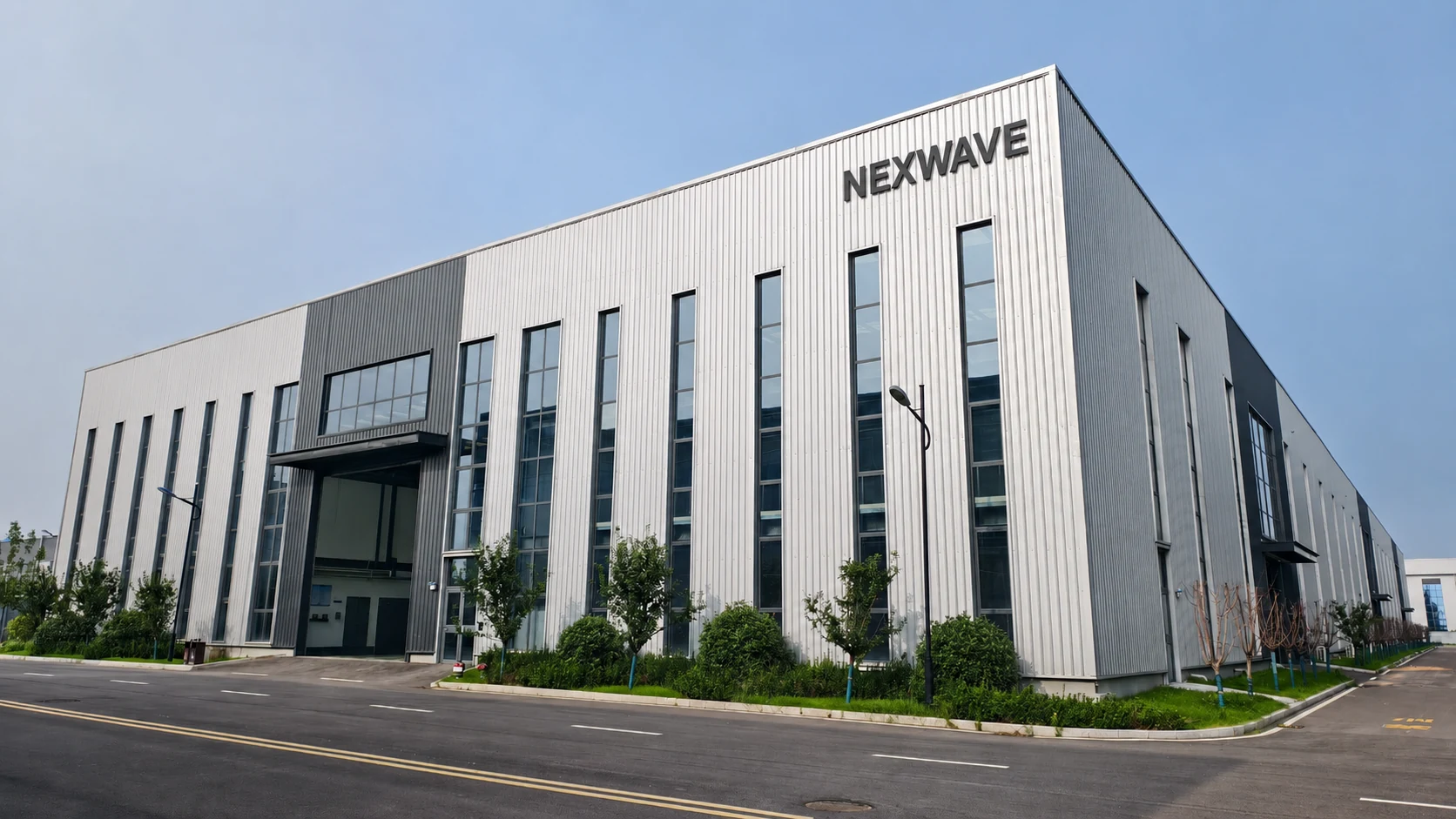
NEXWAVE is a carbon fiber company based in Tengzhou, Zaozhuang, Shandong, China, focused on composite-material supply, custom CFRP manufacturing and OEM production support.
Established in 2020, the company developed from a composite-material project into an integrated manufacturing operation covering engineering review, material preparation, forming, machining, assembly, inspection and export support. Unlike a trading-only supplier, NEXWAVE connects technical decisions with physical production resources. Buyers can evaluate not only the products offered, but also the people, facilities and operating controls behind them.
As a carbon fiber company supporting both manufacturing and product supply, NEXWAVE works with different buyer requirements without forcing them into the same route. A buyer sourcing sheets, tubes or other standard forms needs clear specifications and repeat availability. An engineering team developing a custom component needs DFM, tooling and process input. An OEM program needs controlled revisions, approved references and dependable repeat production. The company is structured to identify which of these jobs the buyer is actually trying to complete.
This integrated role matters because a carbon fiber project rarely depends on one machine or one material alone. A design decision can change the laminate, tooling, forming pressure, machining access, surface finish, inspection method and packaging protection. Keeping these connected decisions within one operating organization gives buyers a clearer path for resolving trade-offs before they create avoidable cost or delay.
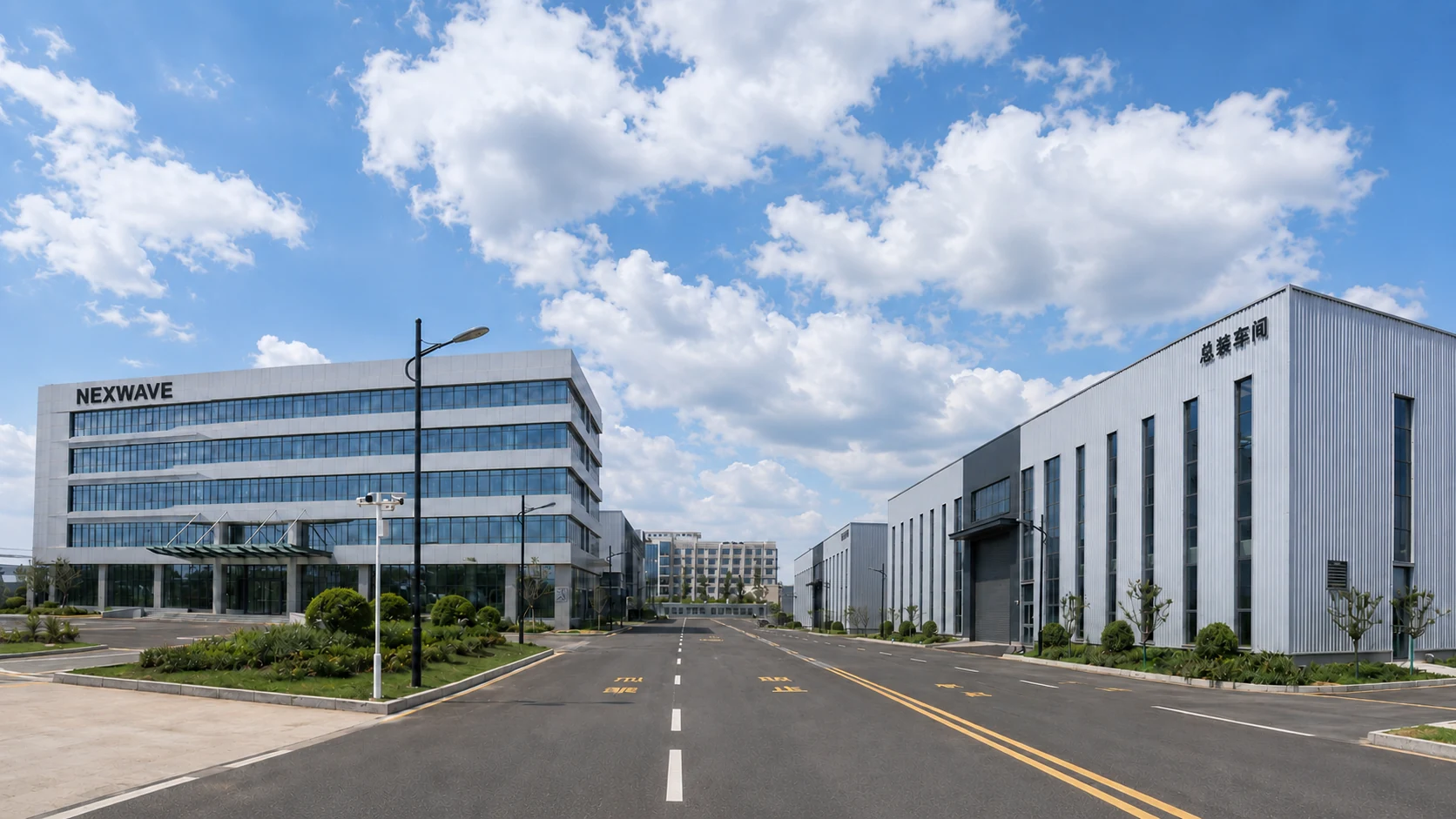
The area figures describe different parts of the operating footprint. The 53,333 m² figure is the full site; 30,000 m² is total building area; and 26,000 m² is production area. Production space includes a 10,000 m² advanced-composites workshop, a 10,000 m² assembly workshop and a 6,000 m² inspection center. The workshop figures are included within the building total, not additional factory-area claims.
These facts give procurement teams a practical company profile: an identifiable location, operating history, physical manufacturing footprint and defined engineering and quality resources.
They also help separate capability from vague supplier language. Procurement teams can ask who reviews the design, where production takes place, how much space is assigned to manufacturing and inspection, and which team owns an acceptance issue. NEXWAVE can answer those questions within the same company structure.
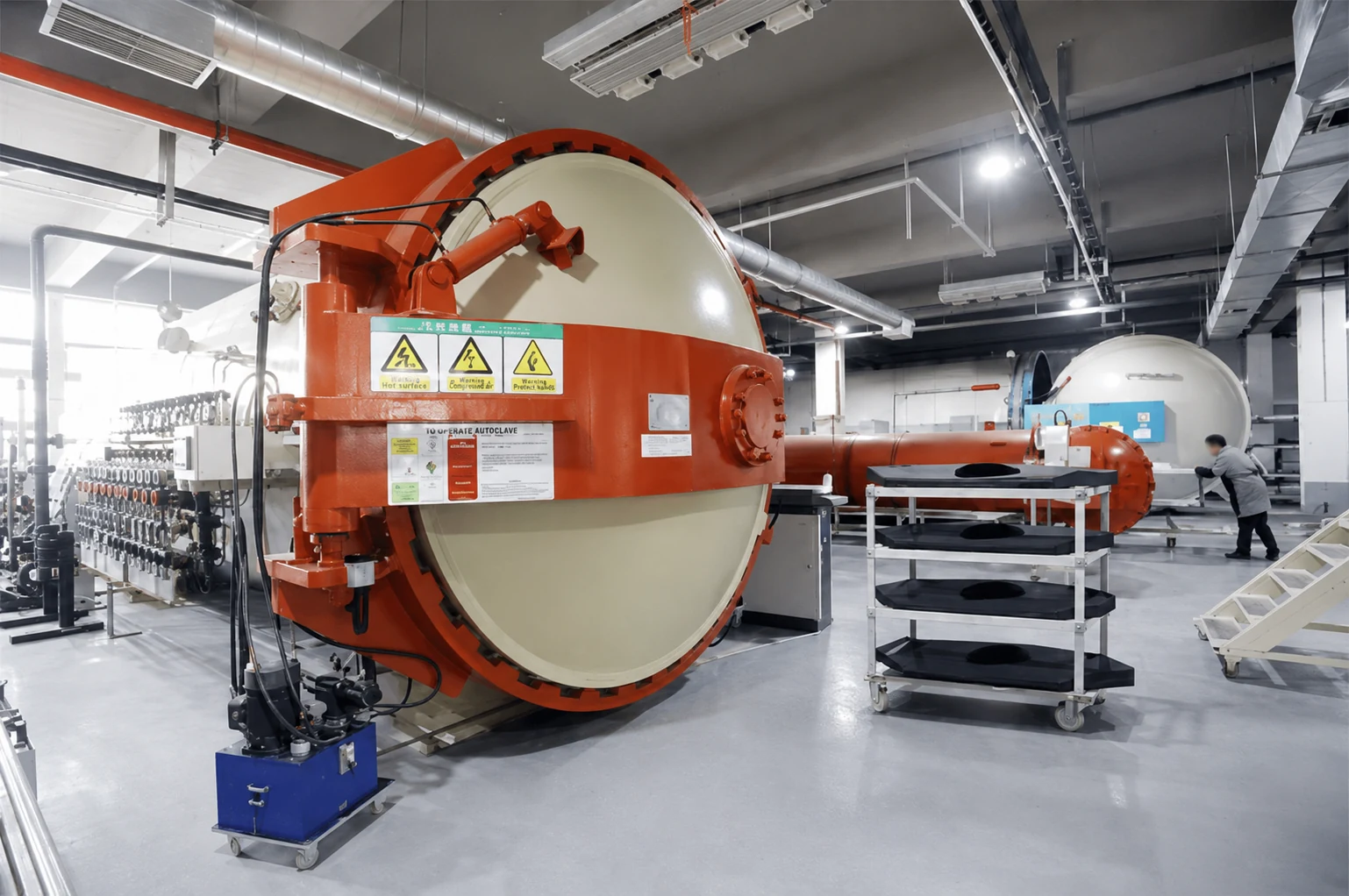
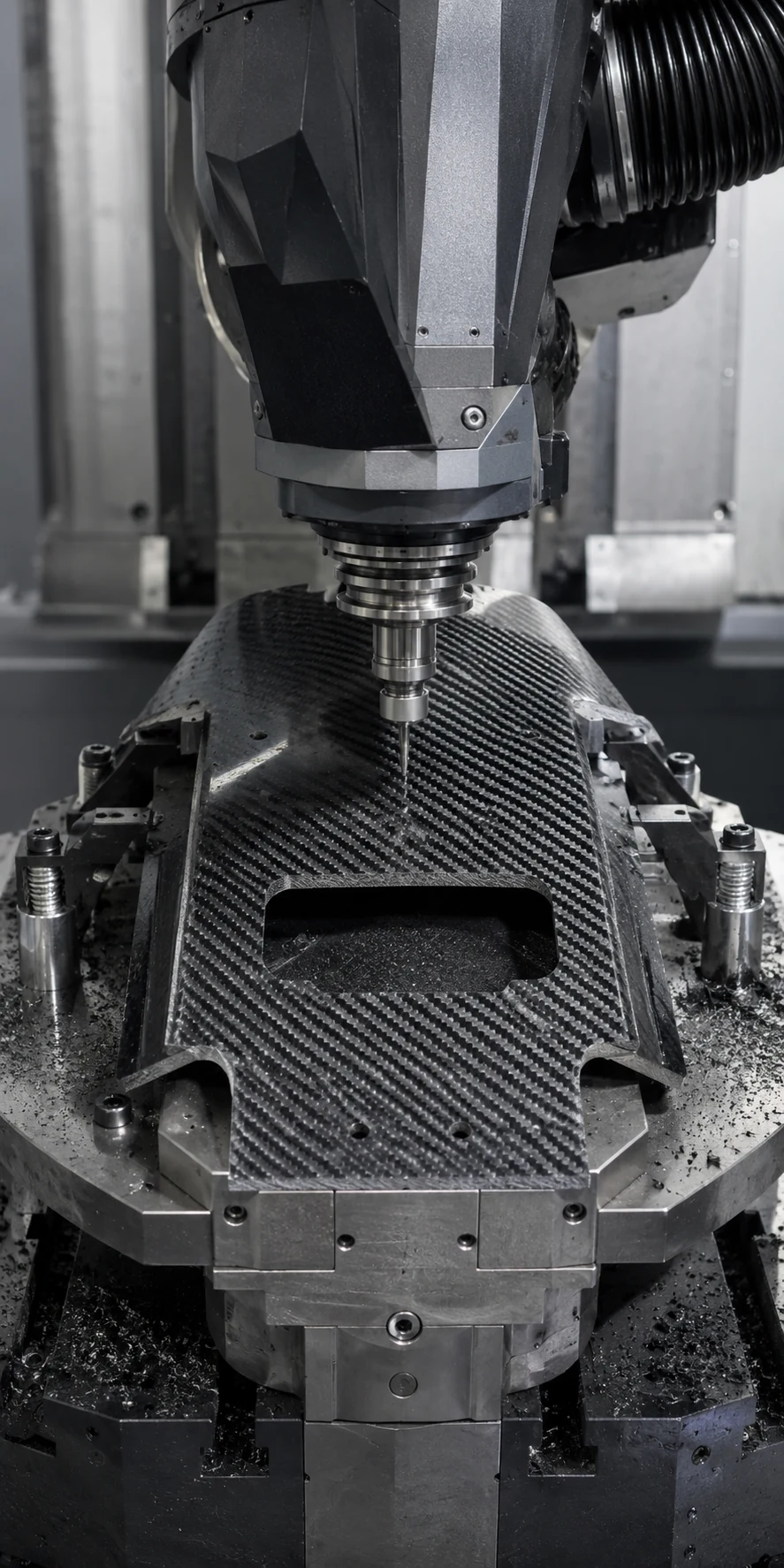
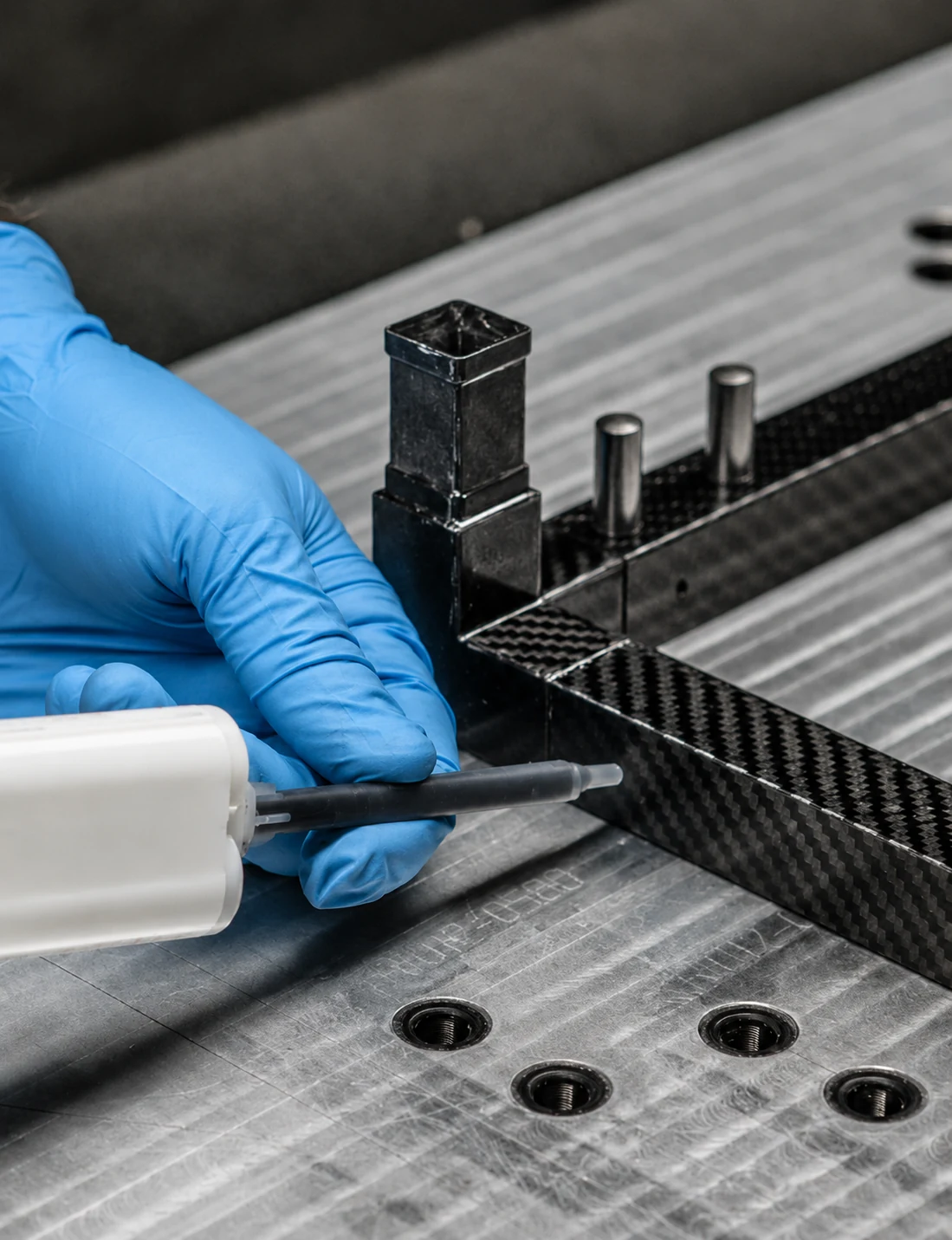
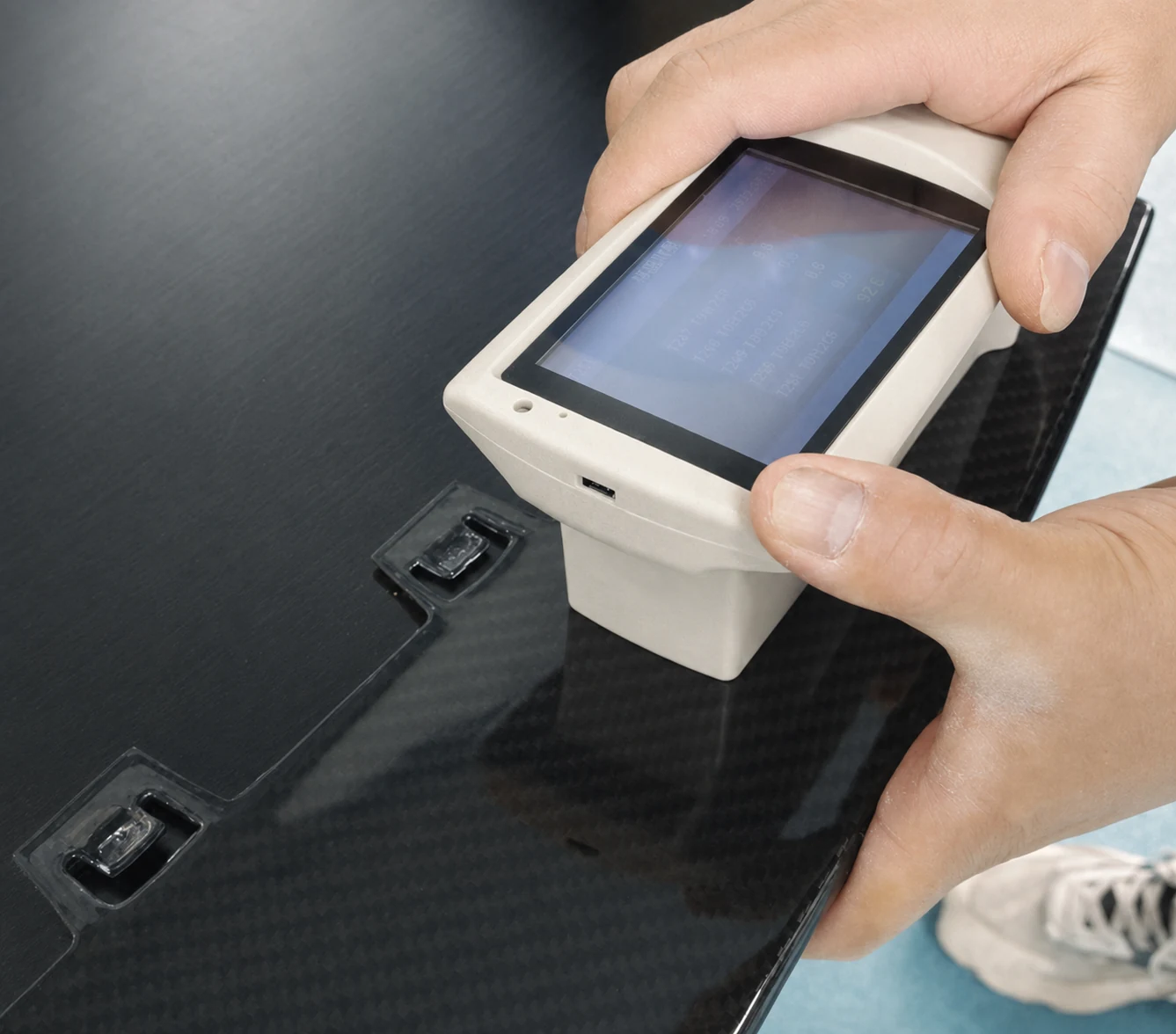
See Where NEXWAVE Carbon Fiber Products Are Made
Explore the production spaces behind our carbon fiber materials and finished parts—from material preparation and composite forming to CNC machining, assembly, finishing and inspection.
See How NEXWAVE Developed Into an Integrated Manufacturing Operation
NEXWAVE was founded with a focus on carbon fiber composite-material projects. The company’s direction was to connect material knowledge with downstream manufacturing applications rather than treat carbon fiber as an appearance-only product.
The manufacturing facility entered operation on an 80-mu site with 30,000 m² of buildings. The first prepreg production line completed commissioning, establishing an internal material-preparation foundation.
The three prepreg lines, autoclaves, hot presses, CNC machining and C-scan systems entered full operation. NEXWAVE also achieved ISO 9001 quality-management-system certification.
NEXWAVE achieved AS9100D, IATF 16949, ISO 14001 and ISO 45001 certifications within their recorded scopes. These systems strengthened company-level governance without replacing product-specific drawings, testing or acceptance requirements.
The company expanded its engineering team, manufacturing resources and international project support capabilities. NEXWAVE developed long-term material supply relationships to support production continuity while maintaining project-specific material selection, approval and traceability requirements.
The timeline shows an operating sequence rather than a list of unrelated achievements: establish the company, put the factory into production, expand equipment and inspection, add management systems, and strengthen the team and supply base. Future development should be evaluated in the same practical way—by whether it improves engineering decisions, manufacturing control, delivery continuity or buyer support.
This history gives buyers context for the company’s current capabilities. Factory operations, management systems and engineering resources were developed in stages and now function as parts of one operating model, rather than as isolated marketing claims. For a new project, the practical question remains whether the available people, processes and controls match its material, manufacturing, inspection and delivery requirements.
Engineering Teams Connect Design, Manufacturing and Quality
The strongest indicator of engineering capability is not a group photo or a total headcount. It is whether the people reviewing the design, process and acceptance requirements have clear responsibilities and work from the same project definition.
Composite Engineering
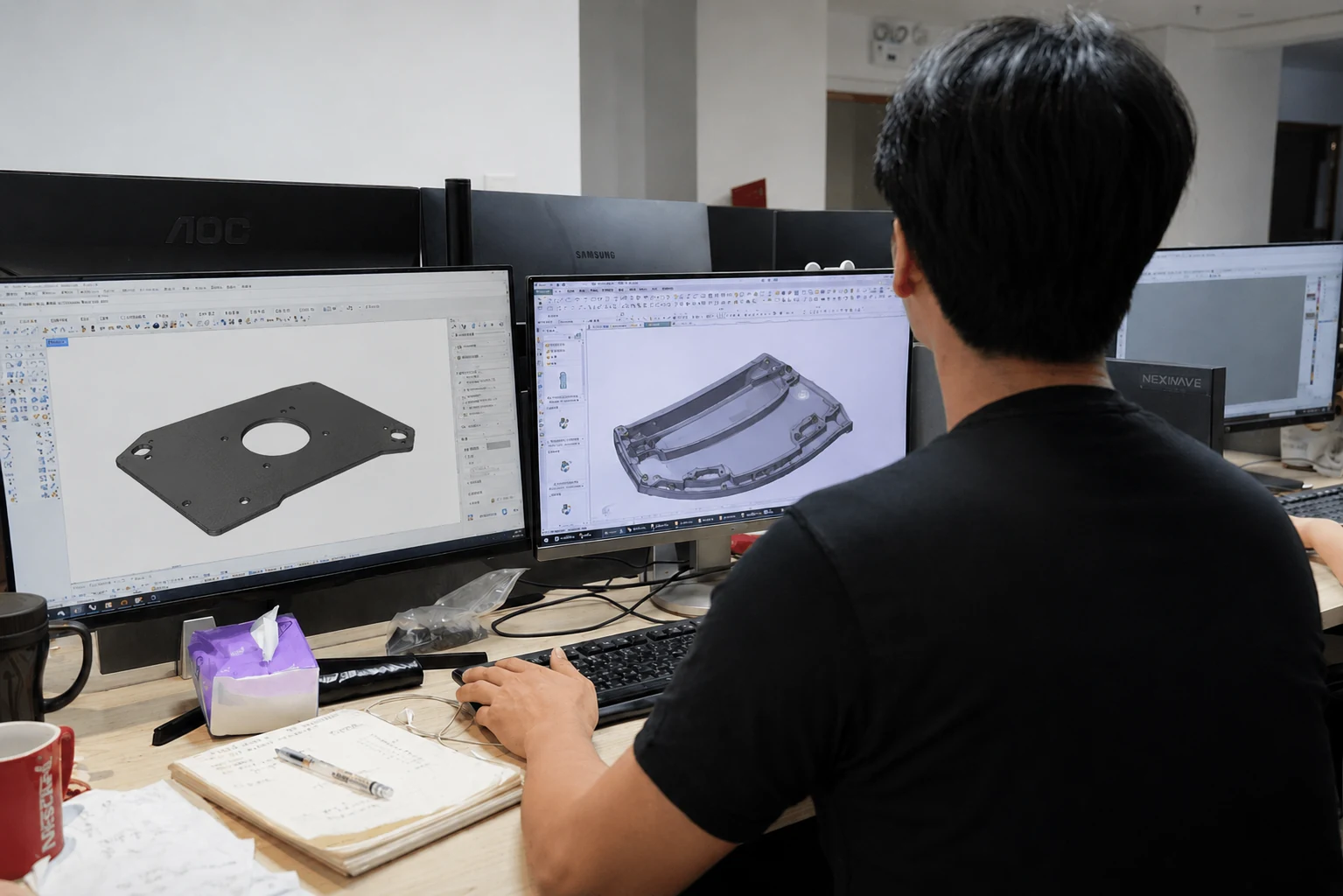
NEXWAVE has 30+ composite engineers supporting design review, laminate decisions and manufacturing development. They can review load paths, fiber direction, laminate transitions, local reinforcement, inserts, bonded interfaces, galvanic isolation and inspection access. Their role is to help translate product intent into a rational composite structure and identify design decisions that affect manufacturability.
Final strength and durability still depend on the agreed material, structure, process and validation plan. Engineering support provides a better route for reaching those targets; it is not a universal performance guarantee.
Process Engineering
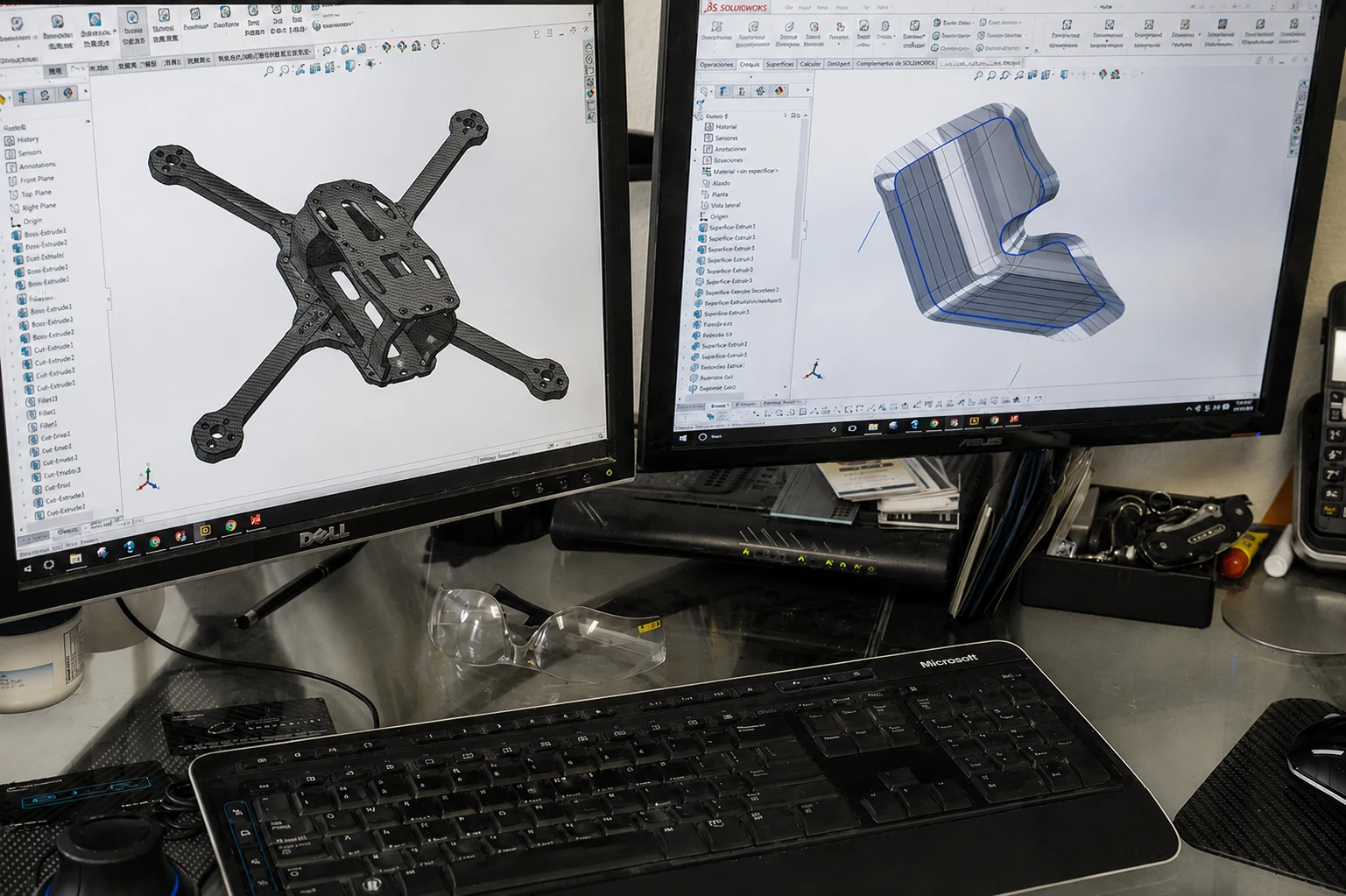
Six process engineers support DFM, tooling-route selection, molding-process planning and production feasibility. They consider geometry, material, visible surfaces, tooling access, quantity, machining and verification together. This helps expose conflicts before they become tooling changes, rejected samples or batch-production problems.
Quality Engineering
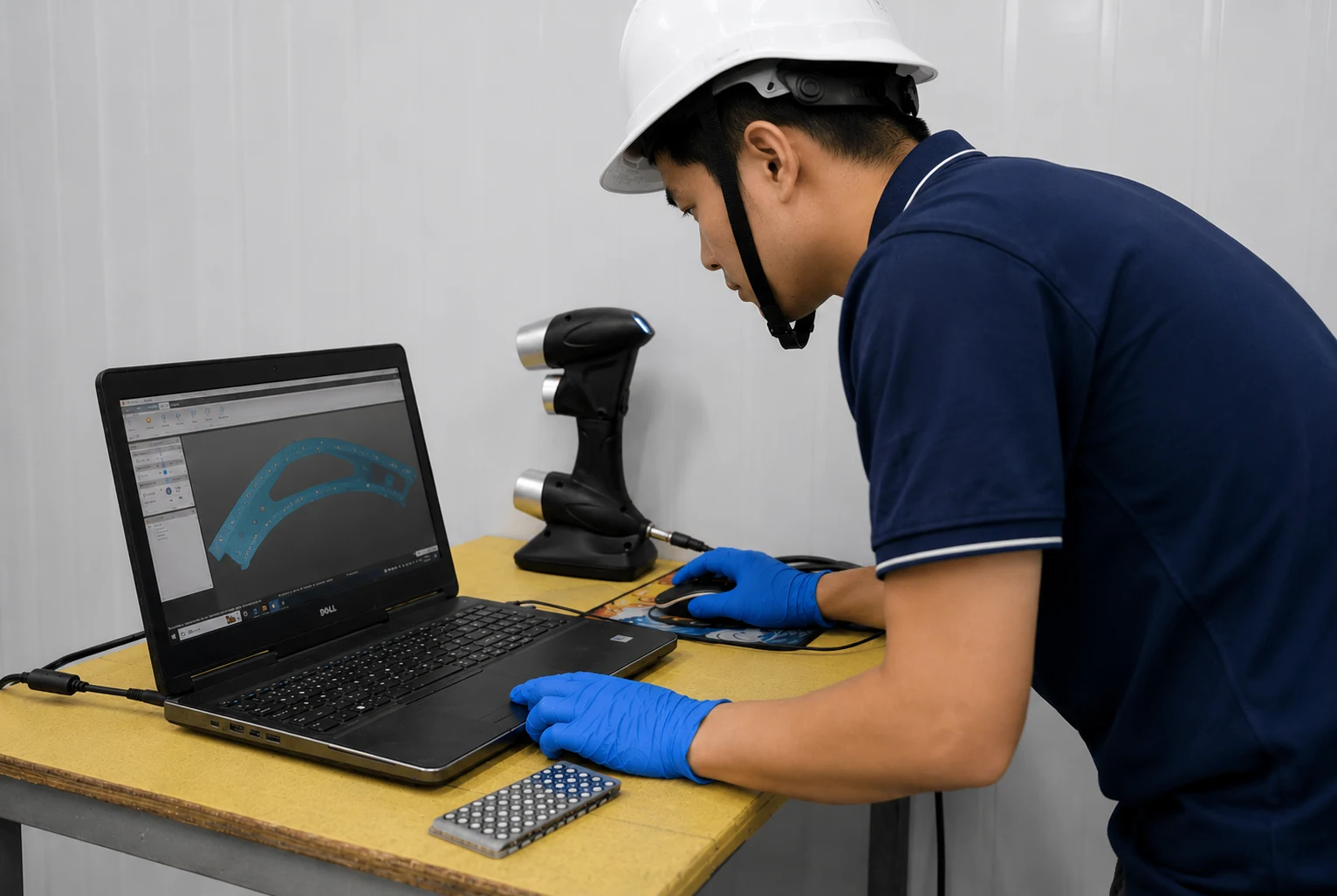
An eight-person quality team reviews critical dimensions, acceptance requirements, inspection methods and relevant records. Quality questions are connected to the drawing and manufacturing route rather than added after production begins.
Clear Responsibility
A sales engineer receives and screens the initial requirement, process engineering handles manufacturability, and quality engineering evaluates the applicable quality plan. When one change affects several areas—for example, an insert that changes reinforcement, machining and inspection—the responsible teams review the interaction instead of returning isolated answers.
This shared review is especially useful when the buyer’s input is incomplete or still changing. The design team may identify a structural risk, process engineering may propose a more repeatable manufacturing route, and the quality team may define how the critical result will be checked. The objective is not to add unnecessary engineering steps. It is to make each decision visible before it becomes expensive to reverse.
Review the NEXWAVE Factory and Manufacturing Footprint
NEXWAVE completes material preparation, forming, machining, bonding, assembly, finishing, testing, packing and export-document preparation in-house. The buyer benefit is a clearer connection between drawing revisions, approved samples, manufacturing routes and quality requirements.
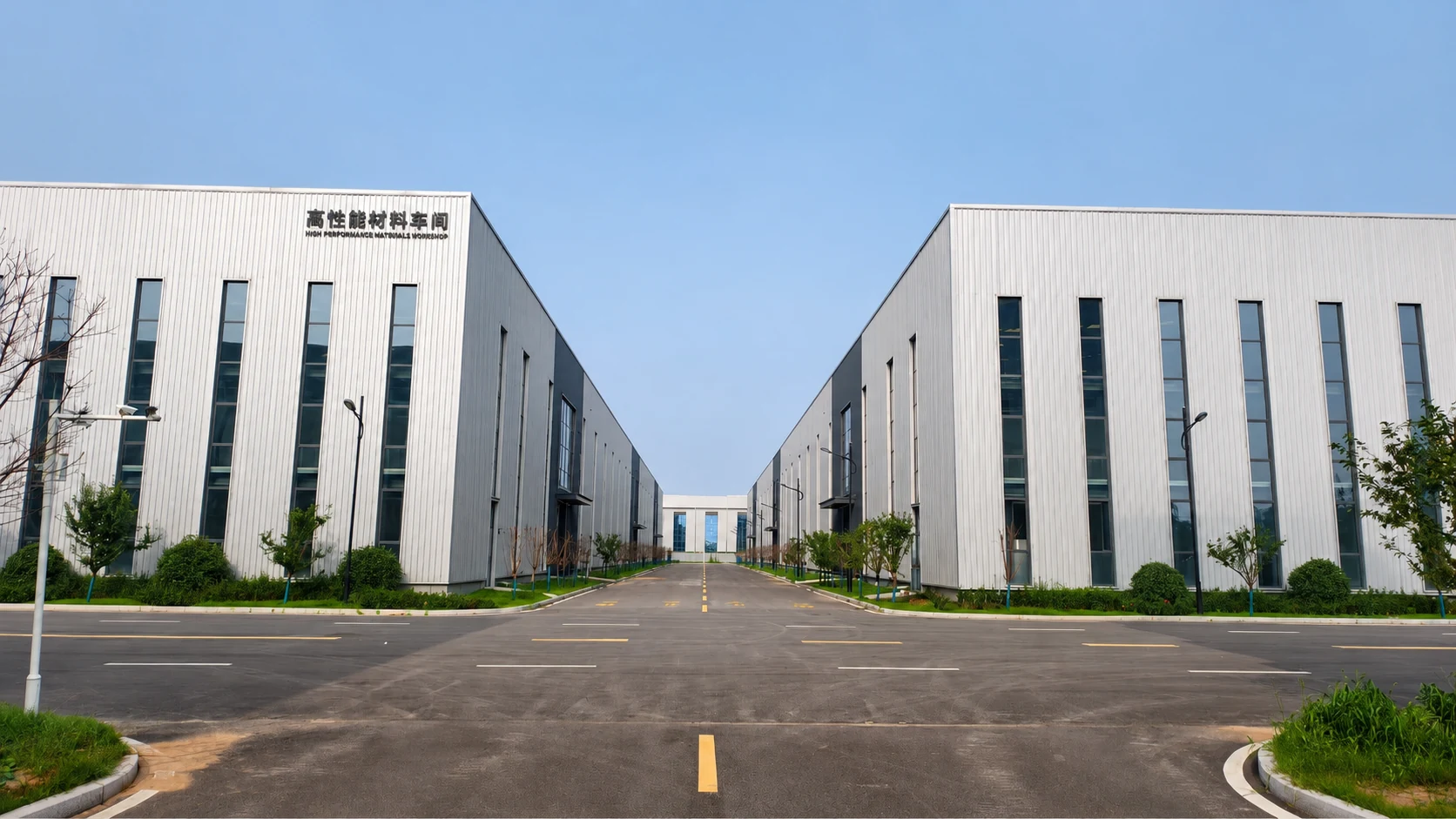
The 26,000 m² production footprint includes separate space for advanced composite work, assembly and inspection. This physical separation supports different project activities while keeping their records and responsibilities connected. It also allows a program to move from composite processing into machining, finishing, assembly and verification without the buyer coordinating a chain of unrelated subcontractors.
Material Preparation
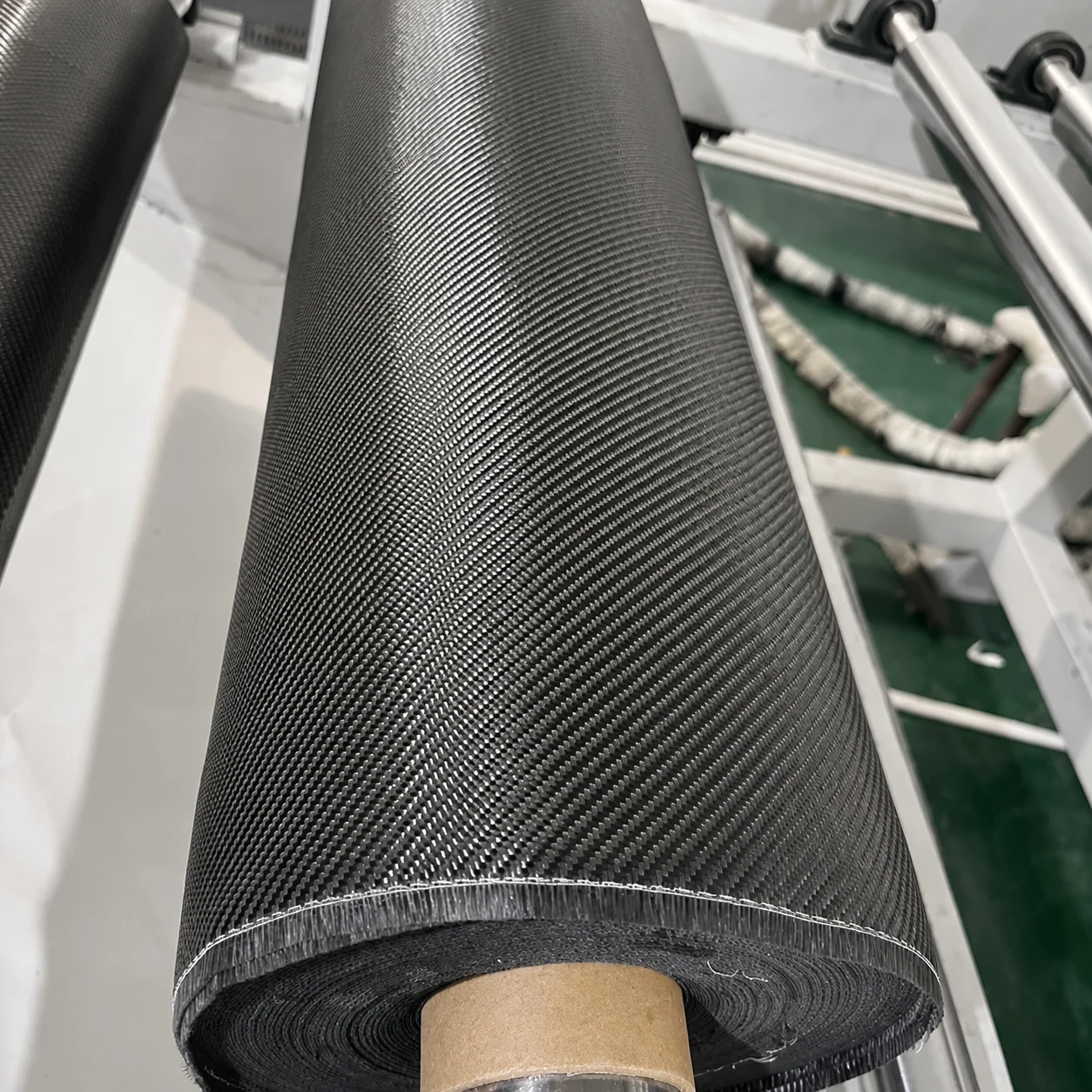
Internal prepreg production, cold storage, automatic cutting and controlled layup preparation support the front end of the manufacturing route. These operations connect material identification and cutting data to the selected layup and forming requirements.
Composite Forming
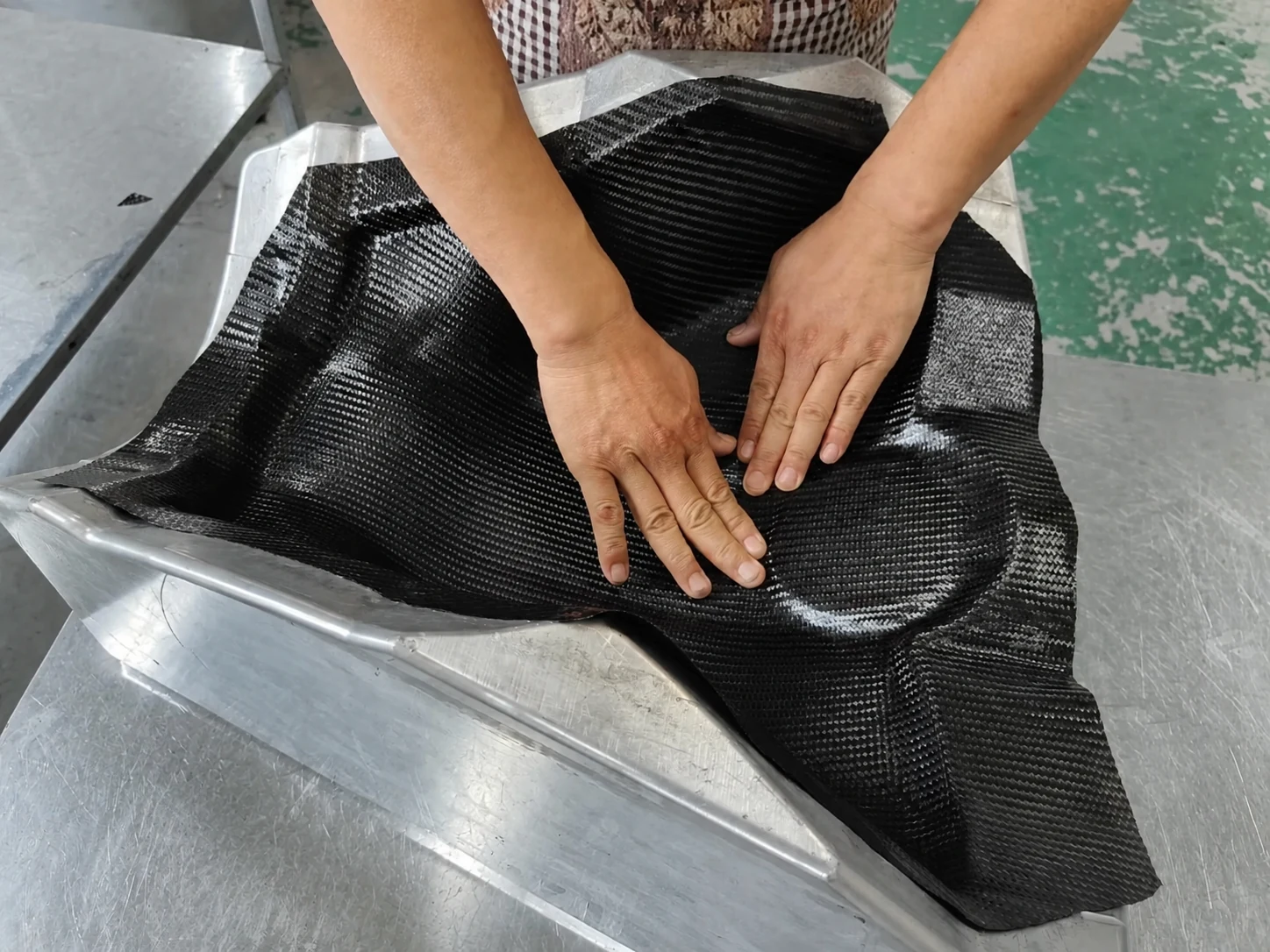
Autoclave, hot-press, compression-molding, forged-carbon, filament-winding and tube-rolling routes support different part geometries, material systems, surfaces and production volumes. The correct route is selected for the project; machine availability alone does not determine suitability.
Machining, Assembly and Finishing
Five-axis CNC machining, insert installation, structural bonding, assembly, sanding, polishing, clear coating and painting can continue the same project after forming. Keeping connected operations within one organization helps control revisions and interface requirements.
Inspection and Verification
The internal inspection base supports dimensional inspection, C-scan/NDT, mechanical testing, environmental testing and surface measurement. The applicable method, sensitivity, datum, sampling plan and acceptance criterion are defined around the specific product.
NEXWAVE’s equipment base includes internal prepreg lines, autoclaves, large hot presses, five-axis CNC machining centers and dedicated inspection systems. On this page, the important point is how those resources work together. Exact machine counts, models and operating parameters should be evaluated on the Manufacturing page against the dimensions, material system, process and inspection needs of a real project.
The About page intentionally summarises these capability families. Equipment models, quantities, parameters and detailed route selection belong on the Manufacturing page.
Understand How NEXWAVE Moves a Requirement Into Production
NEXWAVE keeps the company-level project approach simple: understand the requirement, build a controlled route and deliver against the approved definition. Detailed prototype, approval and production gates belong on the OEM/ODM page.
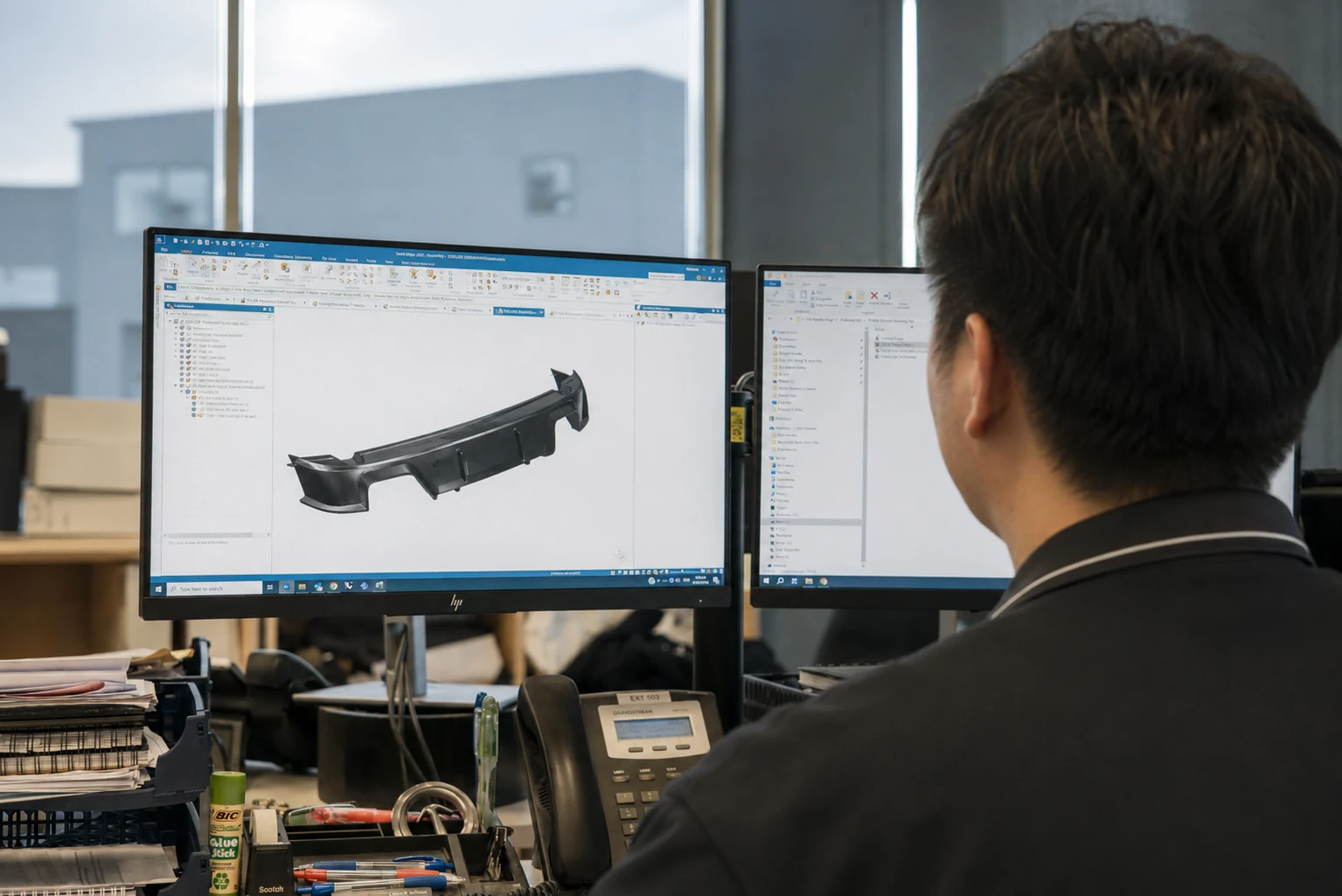
01 / INPUT
Understand
We begin with the information you have: a standard-product specification, CAD model, drawing, sample, application or unresolved requirement. The team identifies the function, geometry, quantity, visible surfaces, interfaces and acceptance needs that change the manufacturing route.
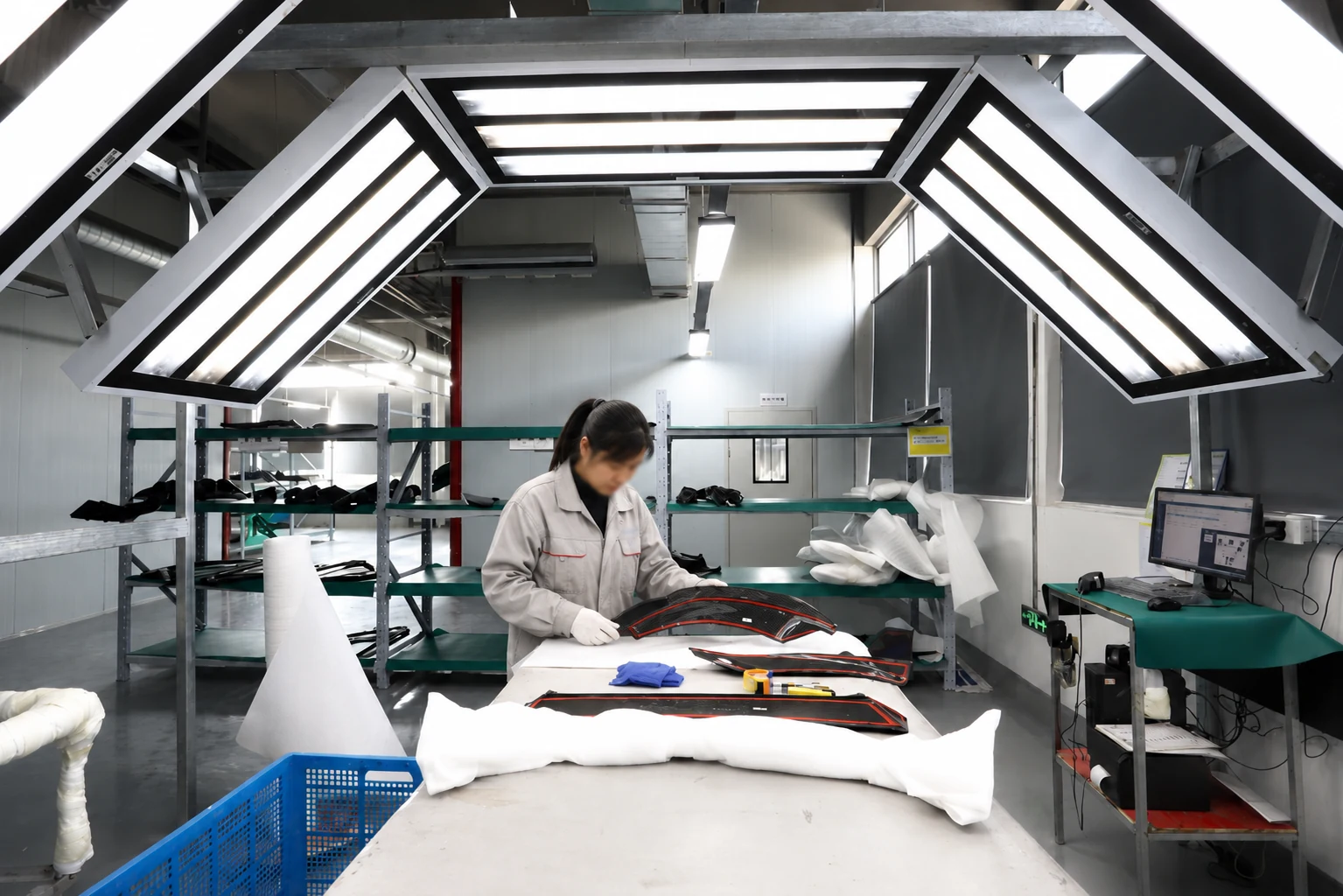
02 / CONTROL
Build
Engineering connects material, laminate, tooling, forming, machining, finishing and verification decisions. Samples are used to answer a defined question—such as fit, dimensions, appearance, function or production readiness—rather than produced without a clear approval purpose.
The aim is to create a route that can be repeated, not merely to make one acceptable sample. That means documenting the inputs and approval references that should continue into production.
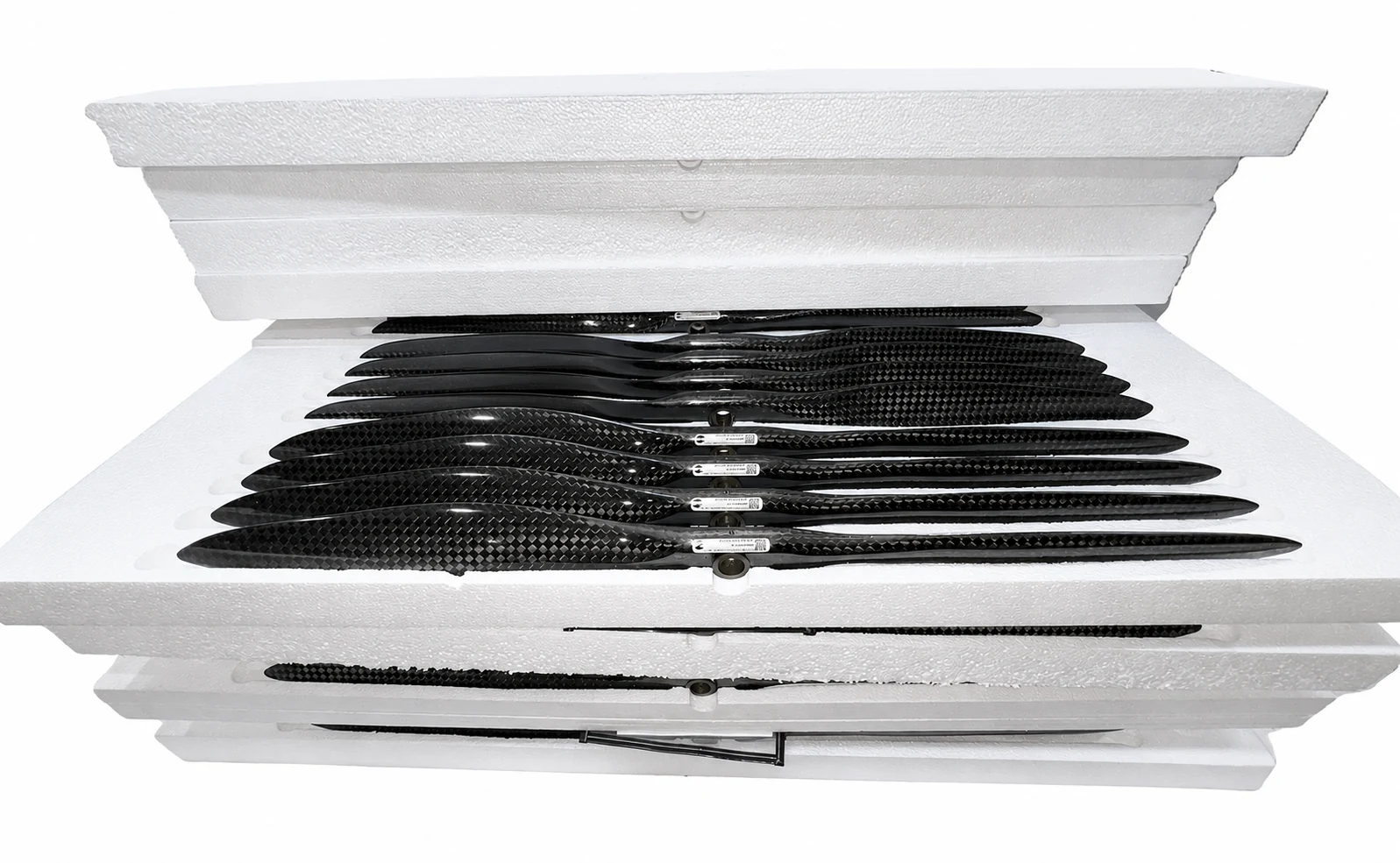
03 / OUTPUT
Deliver
The approved definition continues through production, inspection, packing, export preparation and repeat supply. This coordinated route can help reduce duplicated communication, avoidable rework and responsibility gaps without lowering material quality or removing required manufacturing and inspection work.
For the buyer, the result is one connected production flow from design review to shipment. Cost savings come from better process coordination, fewer preventable changes and less duplicated handling—not from silently reducing material, manufacturing or quality requirements.
Confirm NEXWAVE Quality-Management Systems and Their Limits
NEXWAVE uses management systems to govern relevant company activities, while product acceptance remains based on the project-specific drawing, quality plan, inspection methods and agreed criteria.
| Management system | Company-level focus |
|---|---|
| ISO 9001:2015 | Quality management for the recorded carbon-fiber woven-fabric and prepreg scope |
| AS9100D:2016 | Quality-management framework for the recorded aerospace carbon-fiber production scope |
| IATF 16949:2016 | Automotive quality-management framework for the recorded composite/prepreg design and production scope |
| ISO 14001 | Environmental-management framework within the recorded manufacturing scope |
| ISO 45001 | Occupational health and safety management within the recorded manufacturing scope |
Production Certification Archive
Reserved for current, verified certificate scans. The final files will be placed here only after scope and validity are confirmed.
ISO 45001Verified certificate images pending
These systems define organizational controls within their recorded scopes. They do not automatically certify an individual product or replace product-specific validation.
For buyers, the practical question is how the relevant system affects the project. Management systems provide a framework for responsibilities, controlled information, process discipline, corrective action and continual improvement. Product conformity still depends on the exact specification, drawing revision, test method, sampling plan and acceptance criteria agreed for that order.
For regulated projects, the boundary remains explicit. Aerospace-related parts can be manufactured to customer requirements under the AS9100D quality-management system, but NEXWAVE does not claim airworthiness approval or PMA. Protective products are made to customer drawings without DOT, ECE or SNELL product-certification claims. Medical-related work can include third-party or ISO 10993 testing support without FDA 510(k) or CE medical-device claims.
Review NEXWAVE Project Experience
These compact examples show where company capabilities have been applied. Full project narratives and verification details belong on the Case Studies pages.
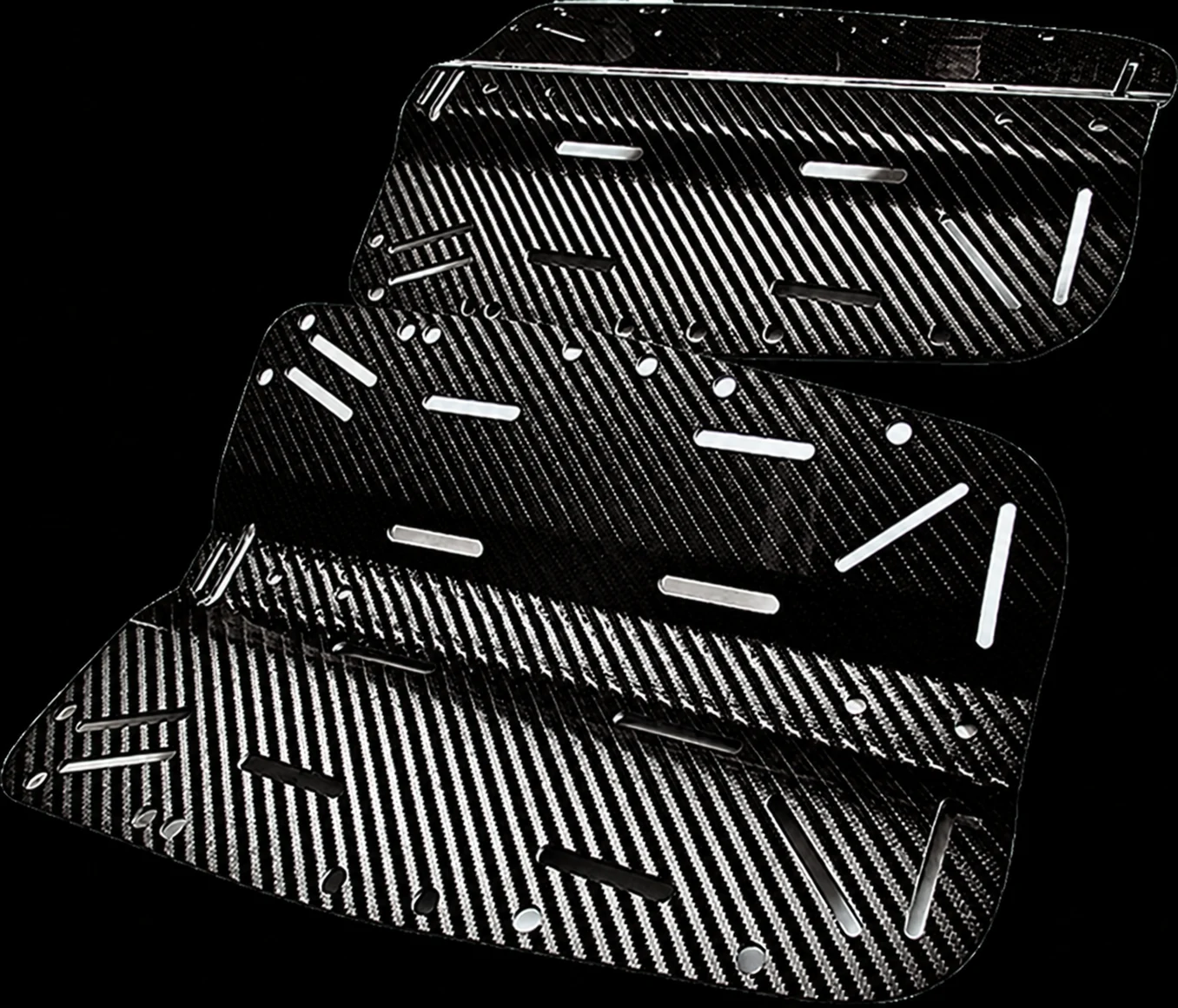
BMW E46 Foot Tray
- Application
- Automotive interior component.
- Market
- Poland.
- Challenge
- Turn an approved geometry and finish route into repeatable supply.
- Manufacturing focus
- Autoclave production, downstream finishing and repeat-order continuity.
- Project status
- Real order, customer feedback and repeat purchase.
The value of this project is not the vehicle name alone. Repeat purchase indicates that the buyer needed more than a visually acceptable first part: the production route, finish and communication also had to remain workable for follow-on supply.
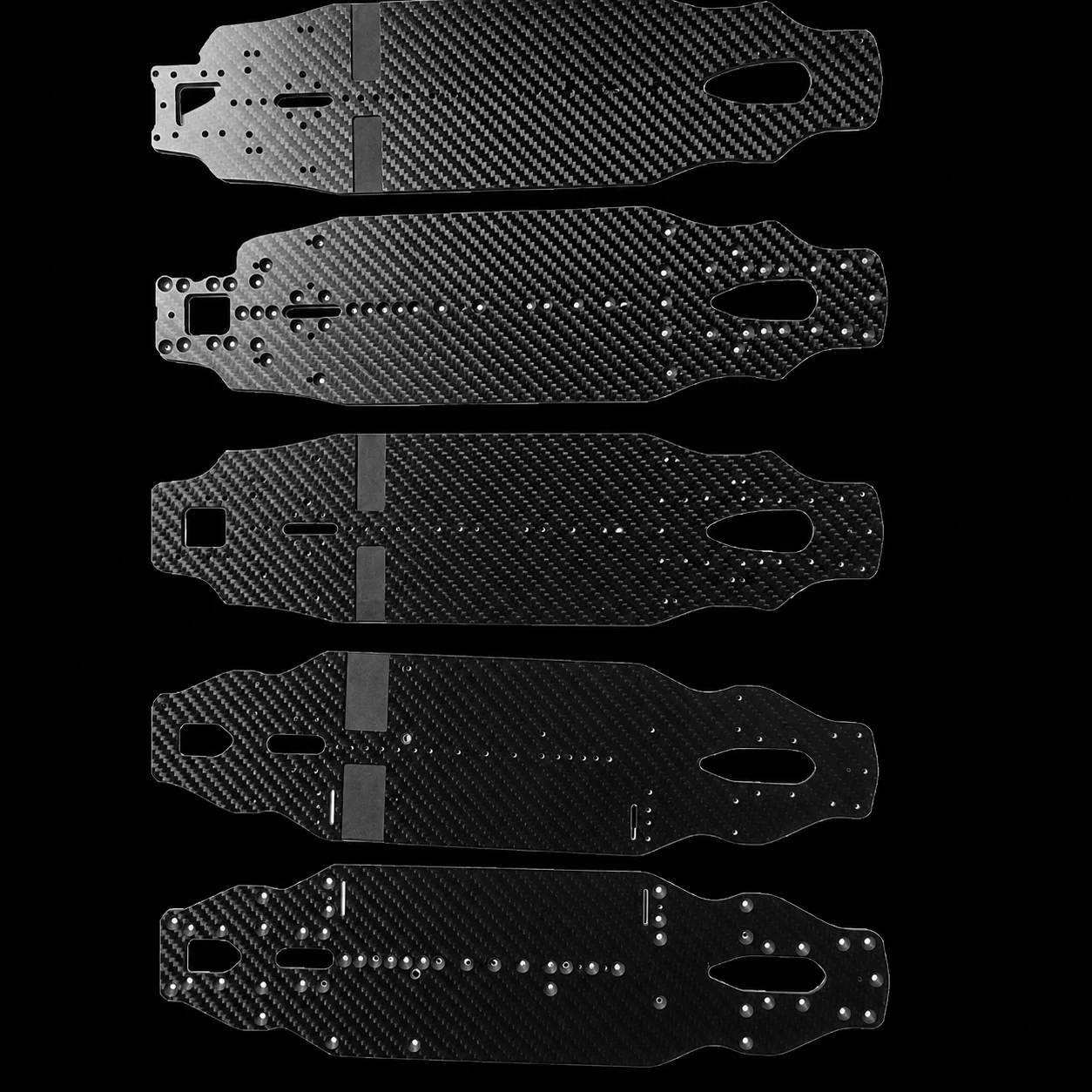
UAV Frame Plates
- Application
- Industrial UAV structures across 21 variants.
- Challenge
- Maintain hole positions, version control and repeatability across similar products.
- Manufacturing focus
- CNC production and controlled variant management.
- Project status
- More than 500 pieces per month.
This program demonstrates the operational problem behind a high-variant product family. Similar-looking plates still require reliable file control, machining consistency and identification so the correct version reaches assembly without creating avoidable sorting or fit problems.
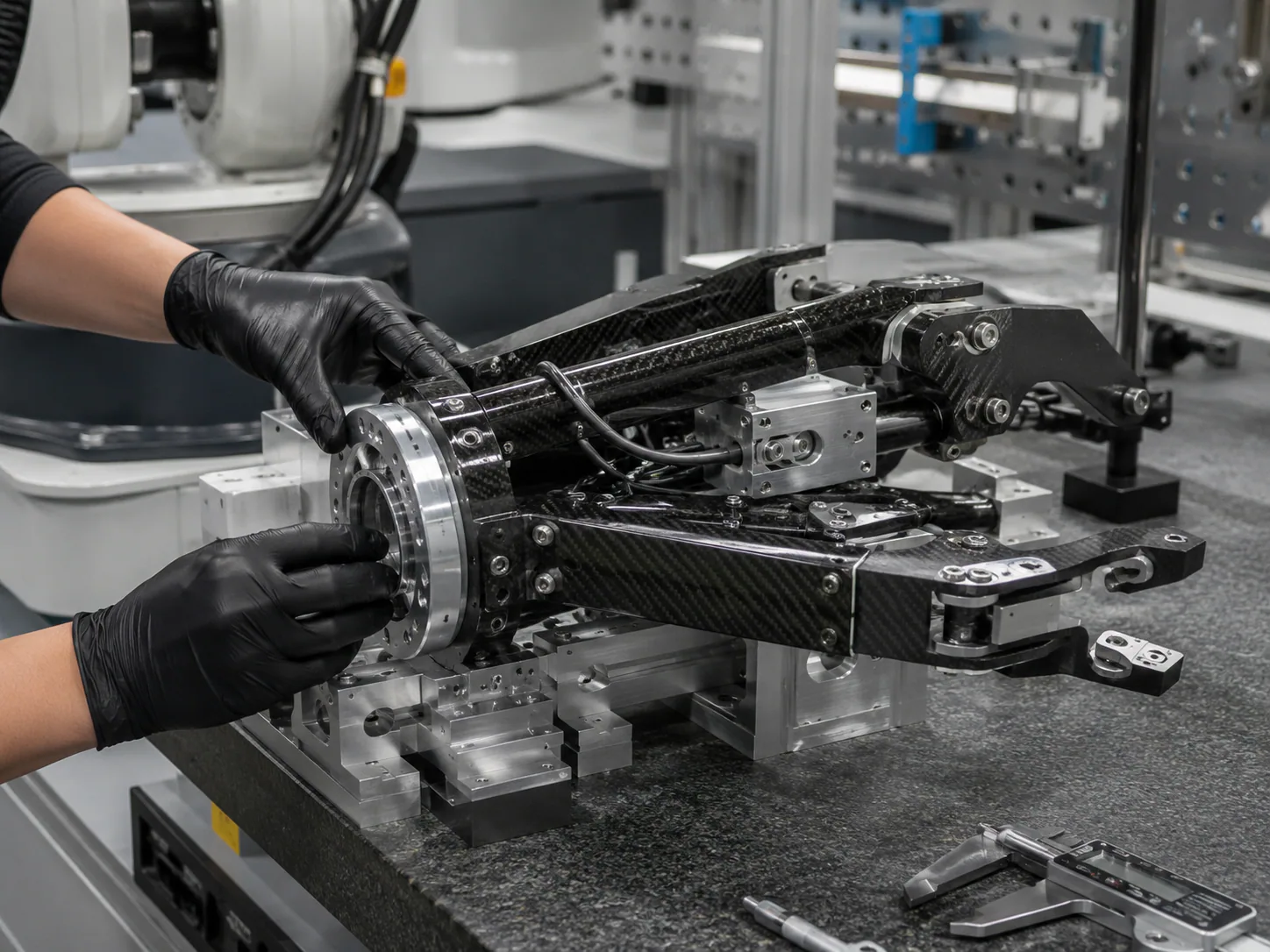
Robotic End Effector
- Application
- Robotics and industrial automation.
- Challenge
- Coordinate geometry, stiffness, moving mass and connected interfaces.
- Manufacturing focus
- Custom molding around system requirements and hardware integration.
- Project status
- Approved project example; no broader performance claim is implied.
The example illustrates an engineering-led application in which low mass, stiffness, geometry and hardware interfaces must be considered together. The final performance remains specific to the customer’s design, loads, validation plan and approved manufacturing definition.
Work With NEXWAVE Across Global Markets
NEXWAVE supports international customers with engineering communication, manufacturing coordination, packing and export preparation. Markets served include Germany, Italy, France, the United Kingdom, Spain, the United States, Canada, South Korea, Japan, Vietnam, Indonesia, Thailand, India, Australia and the United Arab Emirates. These are customer markets, not claims of local NEXWAVE offices.
International supply adds practical questions beyond making the part: Which revision is being produced? How will a visible surface be protected? What information should appear on the label? Which documents and trade terms apply? Who responds when engineering and purchasing questions overlap? NEXWAVE treats these as part of the delivery route rather than leaving them until the shipment is ready.
NEXWAVE maintains material supply relationships that support project continuity, while material selection remains based on customer requirements, approved specifications and production needs.
For each international project, packaging, labels, documents and logistics preparation are considered around the product form, visible finish, destination, end use, customer requirements and agreed trade terms. General company and partnership questions can begin through Contact; defined product requirements should use the RFQ route.
Answers for Buyers Evaluating NEXWAVE
01Is NEXWAVE a supplier, manufacturer or both?
NEXWAVE supports both product supply and manufacturing projects. It supplies carbon fiber material forms and standard products, manufactures custom CFRP parts, and supports OEM, ODM and private-label programs. The correct route depends on whether you need a defined product specification, a finished component or a managed production program.
02Where is NEXWAVE located?
The factory is located at No. 566 Kangcheng Road, Tengzhou, Zaozhuang, Shandong, China. The site covers 80 mu, approximately 53,333 m², with 30,000 m² of buildings and 26,000 m² of production area.
03Which manufacturing capabilities are available in-house?
In-house operations cover material preparation, cutting and layup, composite forming, tube production, five-axis CNC, bonding, assembly, finishing, testing/NDT, packing and export-document preparation. Detailed process selection and equipment information are available on the Manufacturing page.
04Which certifications does NEXWAVE hold?
NEXWAVE holds ISO 9001:2015, AS9100D:2016, IATF 16949:2016, ISO 14001 and ISO 45001 within their recorded scopes. These are management-system certifications, not automatic certification of every product.
05How can a buyer start a project?
Use Contact for a general company, distribution or partnership question. If you have a drawing, product specification, sample, quantities or manufacturing requirement, submit an RFQ so the project can be routed to sales, process and quality engineering.